You are here
The Checks and Balances Project

Rural Missouri counties have higher-than-average premature death rates
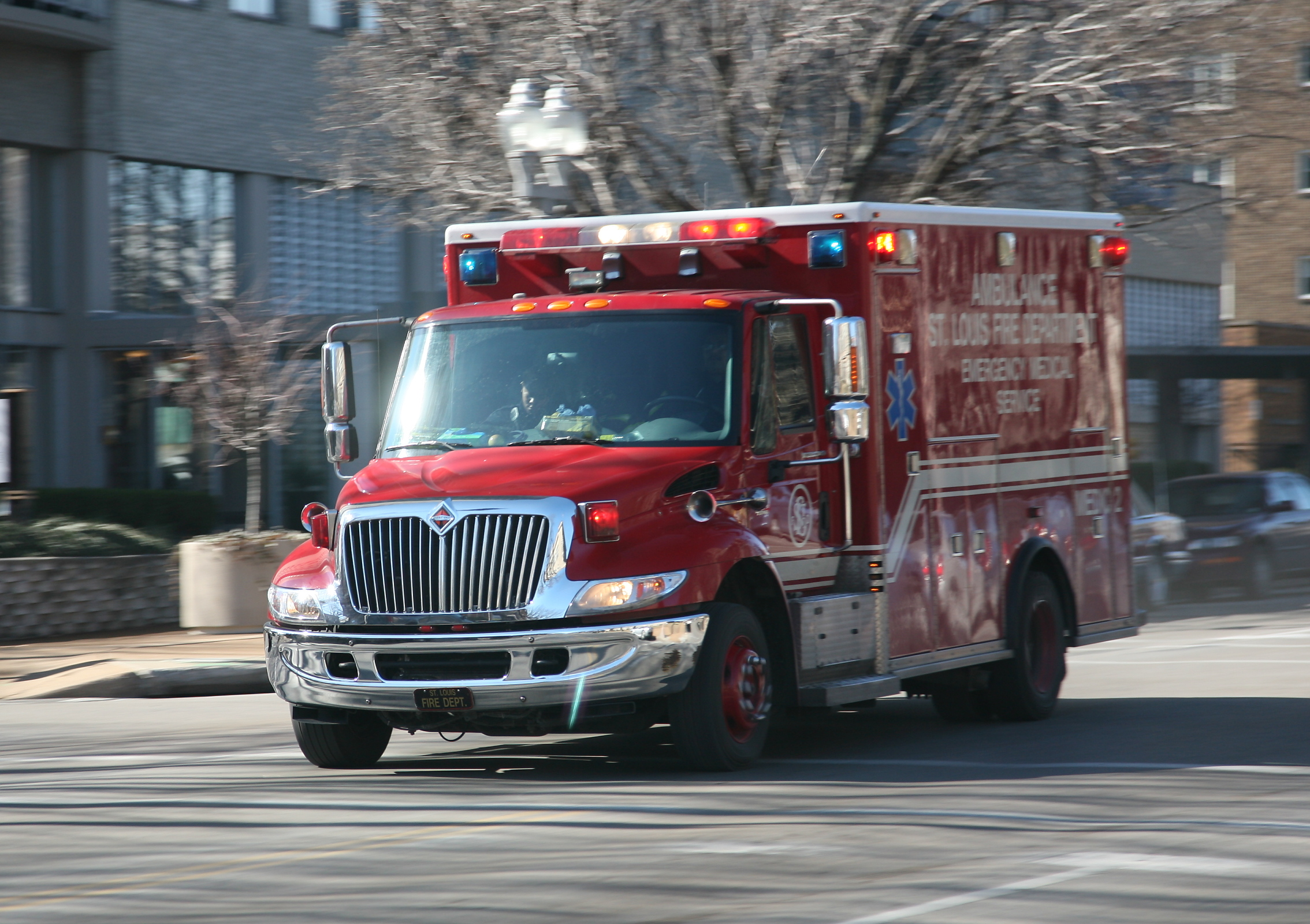
Premature death rates among residents of rural Missouri counties exceed the national average, records show, a result in large part due to the lack of adequate emergency medical care.
According to data compiled by the National Institute on Minority Health and Health Disparities, three rural Missouri counties have premature death rates that are more than double the national average of 392 people per 100,000.
Pemiscot County in the Bootheel region of Southeast Missouri bordered by Arkansas and Tennessee, has the highest premature death rate of 951 per 100,000 people, followed by Ripley and Dunklin counties at 879 and 828. Missouri’s overall premature death rate is 462 per 100,000 people.
Premature death rates include all deaths for people under the age of 75.
Reports by the Centers for Disease Control and Prevention show higher death rates from accidents for rural residents, because emergency responders are unable to reach the injured and get them to hospitals in time.
“The percentage of potentially excess unintentional injury deaths is higher in rural areas because the ability to transport patients quickly to critical care facilities is better in urban areas than in rural areas,” the CDC report said. “As a result, a substantially higher proportion of trauma patients in rural areas than in urban areas die within 24 hours: 89.6% in rural areas vs 64.0% in urban areas.”
A longtime problemThe higher rate of premature deaths is not a new phenomenon in Missouri. Steven Woolf, director of Virginia Commonwealth University Center on Society and Health, found in 2018 that these counties “have been struggling with economic challenges for generations. High poverty rates, stagnant wages, unemployment, challenges with young people getting an adequate education are known characteristics of these places.”
A report by the Missouri Department of Health and Senior Services cited by Checks & Balances Project showed that 50 rural Missouri counties lack a hospital. Those counties without hospitals have an average drive of 29.4 miles to a hospital.
Ray Locker is the executive director for Checks & Balances Project, an investigative watchdog blog holding government officials, lobbyists, and corporate management accountable to the public. Funding for C&BP is provided by Renew American Prosperity and individual donors.
You may also want to read:
Rural Missouri counties face EMS crisis
Share Post Share
The post Rural Missouri counties have higher-than-average premature death rates appeared first on Checks and Balances Project.
Rural Missouri counties have higher premature death rates than national average
Premature death rates among residents of rural Missouri counties exceed the national average, records show, a result in large part due to the lack of adequate emergency medical care.
According to data compiled by the National Institute on Minority Health and Health Disparities, three rural Missouri counties have premature death rates that are more than double the national average of 392 people per 100,000.
Pemiscot County in the Bootheel region of Southeast Missouri bordered by Arkansas and Tennessee, has the highest premature death rate of 951 per 100,000 people, followed by Ripley and Dunklin counties at 879 and 828. Missouri’s overall premature death rate is 462 per 100,000 people.
Premature death rates include all deaths for people under the age of 75.
Reports by the Centers for Disease Control and Prevention show higher death rates from accidents for rural residents, because emergency responders are unable to reach the injured and get them to hospitals in time.
“The percentage of potentially excess unintentional injury deaths is higher in rural areas because the ability to transport patients quickly to critical care facilities is better in urban areas than in rural areas,” the CDC report said. “As a result, a substantially higher proportion of trauma patients in rural areas than in urban areas die within 24 hours: 89.6% in rural areas vs 64.0% in urban areas.”
A longtime problemThe higher rate of premature deaths is not a new phenomenon in Missouri. Steven Woolf, director of Virginia Commonwealth University Center on Society and Health, found in 2018 that these counties “have been struggling with economic challenges for generations. High poverty rates, stagnant wages, unemployment, challenges with young people getting an adequate education are known characteristics of these places.”
A report by the Missouri Department of Health and Senior Services cited by Checks & Balances Project showed that 50 rural Missouri counties lack a hospital. Those counties without hospitals have an average drive of 29.4 miles to a hospital.
Ray Locker is the executive director for Checks & Balances Project, an investigative watchdog blog holding government officials, lobbyists, and corporate management accountable to the public. Funding for C&BP is provided by Renew American Prosperity and individual donors.
You may also want to read:
Rural Missouri counties face EMS crisis
Share Post Share
The post Rural Missouri counties have higher premature death rates than national average appeared first on Checks and Balances Project.
Rural Missouri counties face EMS crisis
Rural Missouri counties are part of an emergency medical services (EMS) crisis, as decreasing populations and tax bases, combined with the closing of multiple hospitals, have caused treatment times to rise to almost double those in urban areas.
Slightly more than 24 percent of Missourians live in non-metro areas, according to a report from the state Office of Rural Health. They have only one rural emergency hospital.
Fifty rural Missouri counties lack a hospital, according to a report by the Missouri Department of Health and Senior Services. Those counties without hospitals have an average drive of 29.4 miles to a hospital.
“Families are traveling hours for emergency care, children are growing up in counties with some of the nation’s highest poverty rates, and entire communities face the collapse of the very systems meant to sustain them,” said a recent report from the Missouri Rural Health Association.
The 2023 report by the state Department of Health and Senior Services lays out some stark realities about the condition of rural health care in Missouri:
The population in Missouri’s 99 rural counties declined by 1 percent since the last census, while the population of nonrural counties rose by 1.9 percent. Declining populations mean lower tax revenues and people available for EMS training.
Ray Locker is the executive director for Checks & Balances Project, an investigative watchdog blog holding government officials, lobbyists, and corporate management accountable to the public. Funding for C&BP is provided by Renew American Prosperity and individual donors.
Share Post Share
The post Rural Missouri counties face EMS crisis appeared first on Checks and Balances Project.
The Fine Print I:
Disclaimer: The views expressed on this site are not the official position of the IWW (or even the IWW’s EUC) unless otherwise indicated and do not necessarily represent the views of anyone but the author’s, nor should it be assumed that any of these authors automatically support the IWW or endorse any of its positions.
Further: the inclusion of a link on our site (other than the link to the main IWW site) does not imply endorsement by or an alliance with the IWW. These sites have been chosen by our members due to their perceived relevance to the IWW EUC and are included here for informational purposes only. If you have any suggestions or comments on any of the links included (or not included) above, please contact us.
The Fine Print II:
Fair Use Notice: The material on this site is provided for educational and informational purposes. It may contain copyrighted material the use of which has not always been specifically authorized by the copyright owner. It is being made available in an effort to advance the understanding of scientific, environmental, economic, social justice and human rights issues etc.
It is believed that this constitutes a 'fair use' of any such copyrighted material as provided for in section 107 of the US Copyright Law. In accordance with Title 17 U.S.C. Section 107, the material on this site is distributed without profit to those who have an interest in using the included information for research and educational purposes. If you wish to use copyrighted material from this site for purposes of your own that go beyond 'fair use', you must obtain permission from the copyright owner. The information on this site does not constitute legal or technical advice.
 This site is not the official webpage of the Industrial Workers of the World.