You are here
Native Organizing


Native Orgs Call for Tribal Consultation Following Proposed Closing of National Archives
Photo of hundreds of Native children taken from their homes at Carlisle Indian Industrial School, circa 1900.
FOR IMMEDIATE RELEASE October 14, 2026 Native Organizers Alliance Jennifer Fairbanks (Blackfeet/Ojibwe), Communications DirectorWASHINGTON, D.C. — On October 14, 2026, the National Native American Boarding School Healing Coalition, Native Organizers Alliance, National Congress of American Indians, and Native American Rights Fund sent a joint letter to the U.S. National Archives and Records Administration, expressing deep concern about the planned closures of the National Archives at Chicago, and the National Archives at San Francisco, located in San Bruno, California, without meaningful Tribal consultation.
For Indian boarding school survivors, descendants, Tribal Nations, Tribal Historic Preservation Offices, Native researchers, and families searching for answers, these records are far more than historical documents. They can hold the names, experiences, correspondence, and stories that help families reconnect with relatives and communities understand what happened to generations of Native children and families.
Many of these materials are part of Record Group 75: Records of the Bureau of Indian Affairs, the records of the Bureau of Indian Affairs, including documentation related to federal Indian boarding schools, Indian agencies, education, enrollment, allotment, land, and other federal policies affecting Native people.
“Access to these records can be part of the healing process. For families and communities seeking answers about what happened to their relatives, these documents can help restore pieces of stories that were separated, hidden, or lost across generations. We have a responsibility to protect that access and to listen to the people whose histories these records hold.”, said Nikki Santos (Coeur d’Alene Tribe), Chief Executive Officer of the National Native American Boarding School Healing Coalition.
“To understand who Native people are today, we must understand the injustices our ancestors endured in the past,” said Judith LeBlanc, executive director of Native Organizers Alliance. “The closure of these archives is an act of book burning—a way to shield peoples’ eyes from the country’s true history. Not only do our Tribal nations have the right to meaningful consultation, we as Native peoples have a right to know the truth so we can begin healing.”
“The federal government has an obligation to preserve the records that document its relationship with Tribal Nations. These are not ordinary government files—they are the evidence of treaties, land transactions, federal decisions, and commitments that define the United States’ trust and treaty obligations to our Nations,” said Larry Wright Jr., Executive Director of the National Congress of American Indians. “Closing NARA facilities and moving these records out of the communities and regions they serve risks making those records harder to access and less available to the Tribal Nations whose rights and history they document. The government cannot walk away from the historical record of its obligations to Indian Country. These records must be preserved, protected, and accessible to Tribal Nations for generations to come.”
“These archives hold documents and records that sovereign Tribal Nations rely on to vindicate the rights of Tribal members and to hold the federal government accountable for its trust and treaty obligations,” said John Echohawk, Executive Director of the Native Americans Rights Fund . “The United States’ proposed closure threatens the ability of Tribes to access these critical records. This historical record of the United States relationship with Tribes, including its failure to meet its promises and obligations to Tribes must be made more, rather than less, accessible.”
As the National Archives and Records Administration considers the future of the Chicago and San Francisco facilities and the collections housed there, we ask that Tribal Nations and affected communities have an opportunity to be part of these conversations. Decisions about location, accessibility, and stewardship of federal Indian records have a direct impact on whose histories these records document.
The preservation of these records is ultimately about more than archives. It is about our relatives, families, communities, truth, and opportunity to heal.
Read the letter to NARA: boardingschoolhealing.org/nara-letter/
###
About the National Native American Boarding School Healing Coalition: The National Native American Boarding School Healing Coalition (NABS) is dedicated to advocating for Native peoples impacted by U.S. Indian boarding schools. NABS seeks truth through education and research, justice through activism and policy advocacy, and healing through programs and traditional gatherings, boardingschoolhealing.org.
About Native Organizers Alliance: Native Organizers Alliance builds the organizing capacity of Native leaders and groups to create grassroots power for change in Native communities. It serves as a forum for collaboration, sharing best practices, and promoting their work with national allies. The organization supports grassroots-driven social change, advancing the health and welfare of rural, urban, and reservation communities across Indian Country. For more information, visit https://nativeorganizing.org/.
About the National Congress of American Indians: Founded in 1944, the National Congress of American Indians is the oldest, largest, and most representative American Indian and Alaska Native organization in the country. NCAI advocates on behalf of Tribal governments and communities, promoting strong Tribal-federal government-to-government policies and a better understanding among the general public regarding American Indian and Alaska Native governments, people, and rights. For more information, visit www.ncai.org.
About the Native American Rights Fund: NARF is a non-profit 501c(3) organization dedicated to defending and asserting the legal rights of Native Americans. Since 1970, the Native American Rights Fund (NARF) has provided specialized legal assistance to Tribal Nations, organizations, and individuals nationwide on the most important issues to Native Americans. In hundreds of major court cases, legislation and inter-governmental agreements, NARF has achieved significant results in critical areas such as Tribal sovereignty, treaty rights, natural resource protection, voting rights, and Indian education. Like us on Facebook and on Instagram and follow us on LinkedIn to learn about the latest fights to promote justice for Native Americans.
The post Native Orgs Call for Tribal Consultation Following Proposed Closing of National Archives appeared first on Native Organizers Alliance.
Indigenous Peoples’ Day 2026
It’s Indigenous Peoples’ Day, and right now, the government and corporate polluters are aggressively driving policies that will destroy our communities and our public lands.
We’re supporting Tribal and Native organizers and expanding our partnerships with Tribes, Native communities, and multiracial coalitions to strengthen the grassroots movements we need to protect Native lands.
Current threats include:
- The Department of Homeland Security is building a destructive border wall in and near Big Bend National Park and Organ Pipe Cactus National Monument, and on the Tohono O’odham Nation’s reservation itself.
- After the protected area surrounding Bears Ears and Grand Staircase-Escalante National Monuments was cut by 90%, mining companies lined up and applied for permits, which were granted for mining and profit-driven development of this land, and now they are trying to destroy Bears Ears’ groundbreaking federal-intertribal collaborative management authority created by community gatherings.
These actions violate Tribes’ inherent and legal right to sovereignty, including the right to decide on projects that may affect our communities, resources, and territories.
Ensuring Native people can steward lands as their ancestors have is a major pathway to conservation and sustainability, mitigating the impacts of climate change, and protecting Mother Earth for future generations.
The post Indigenous Peoples’ Day 2026 appeared first on Native Organizers Alliance.
80 Native leaders and organizers working to get out the vote!
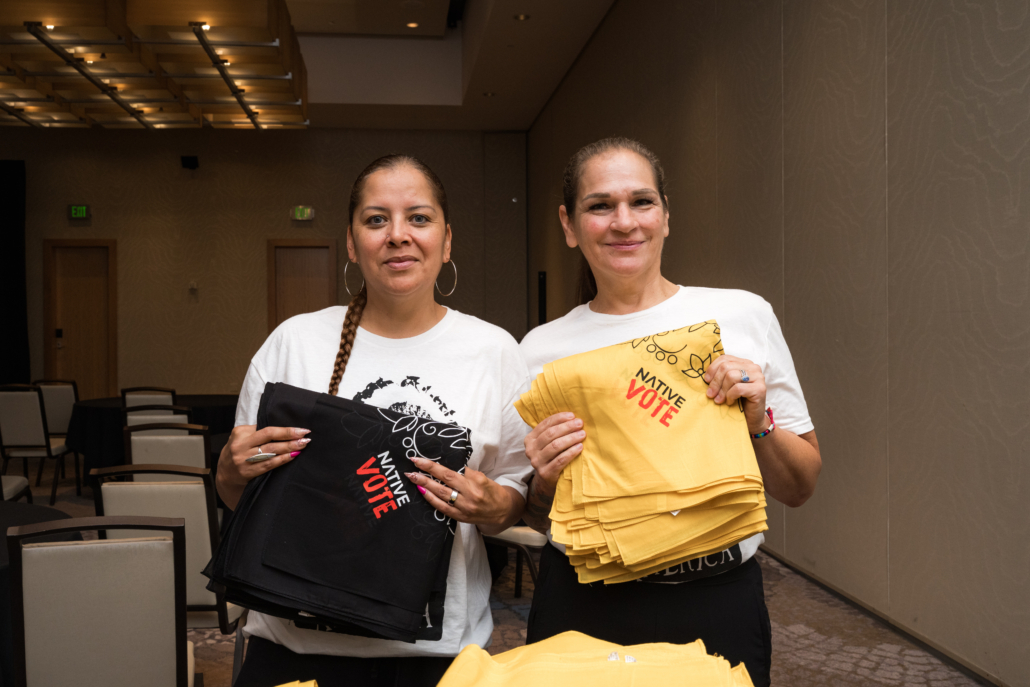
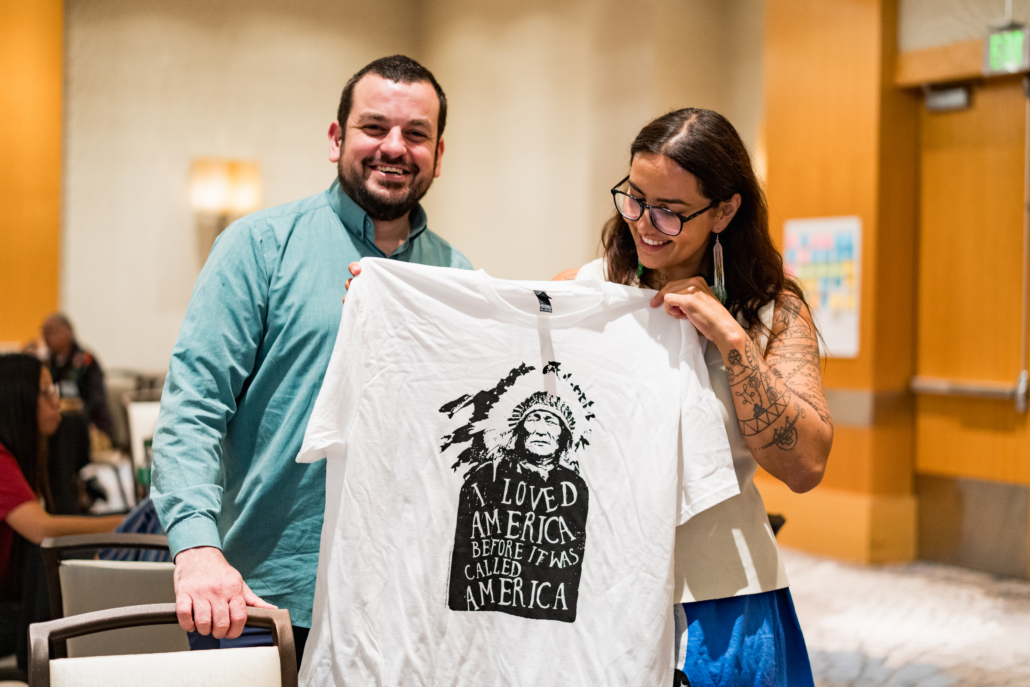
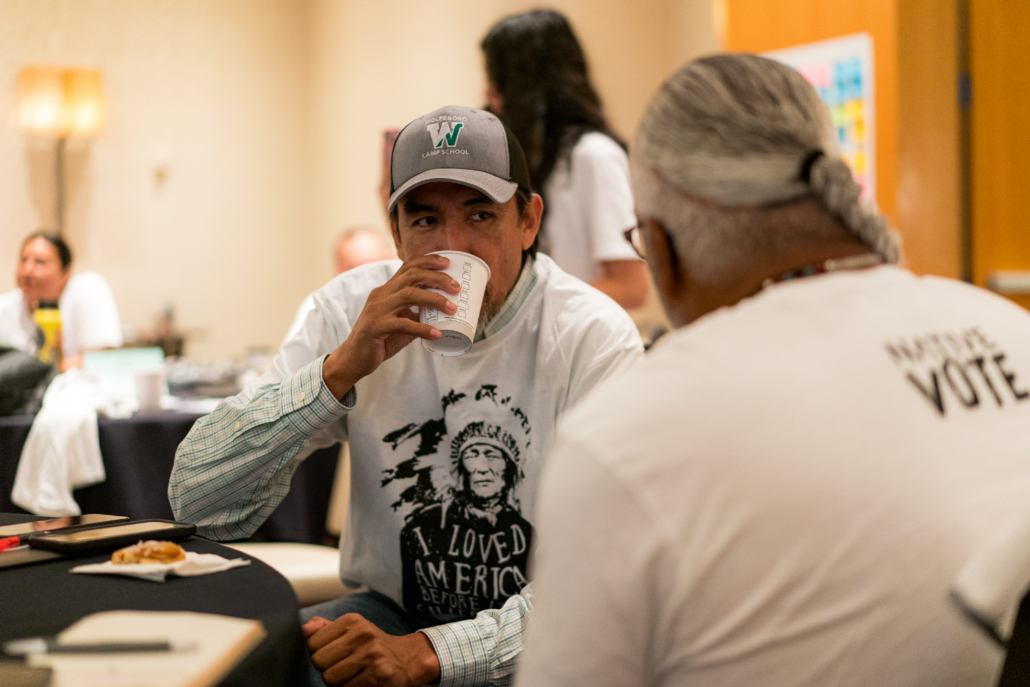
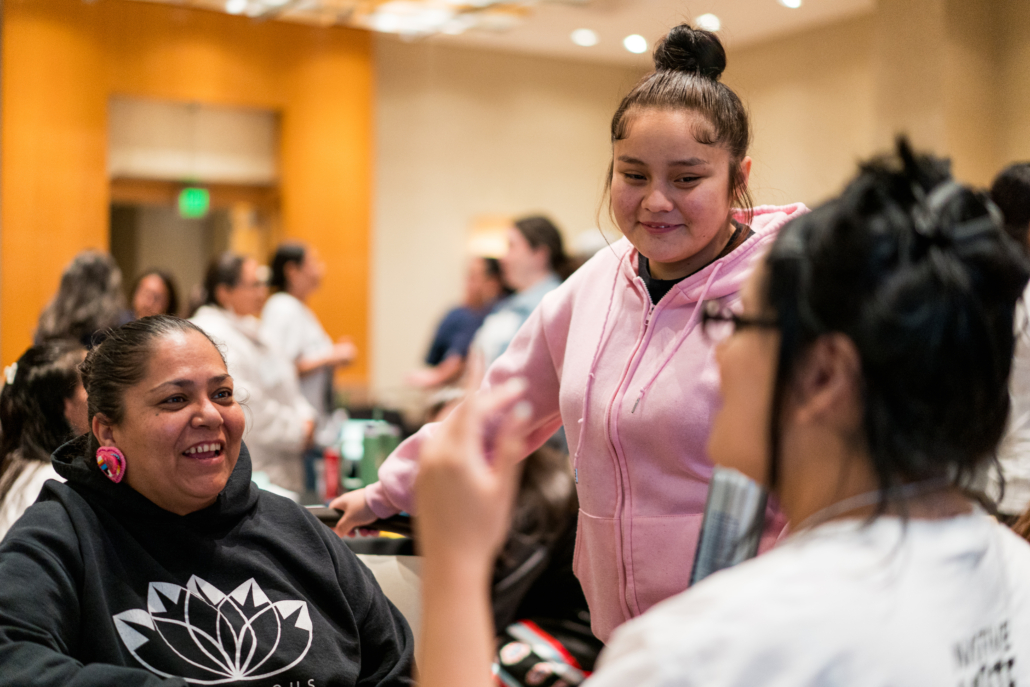
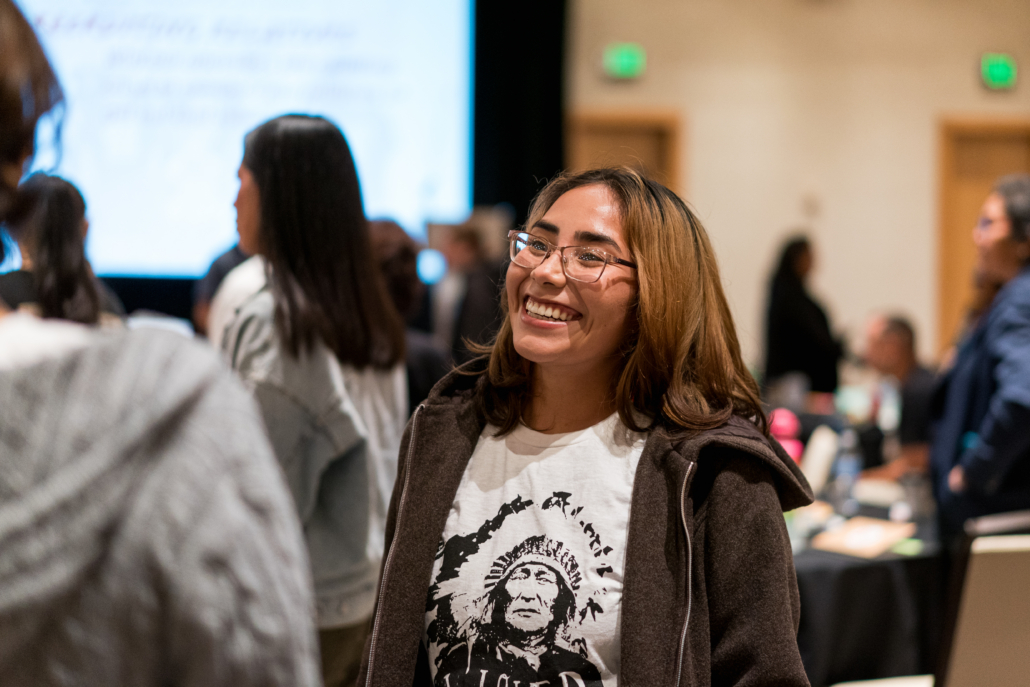
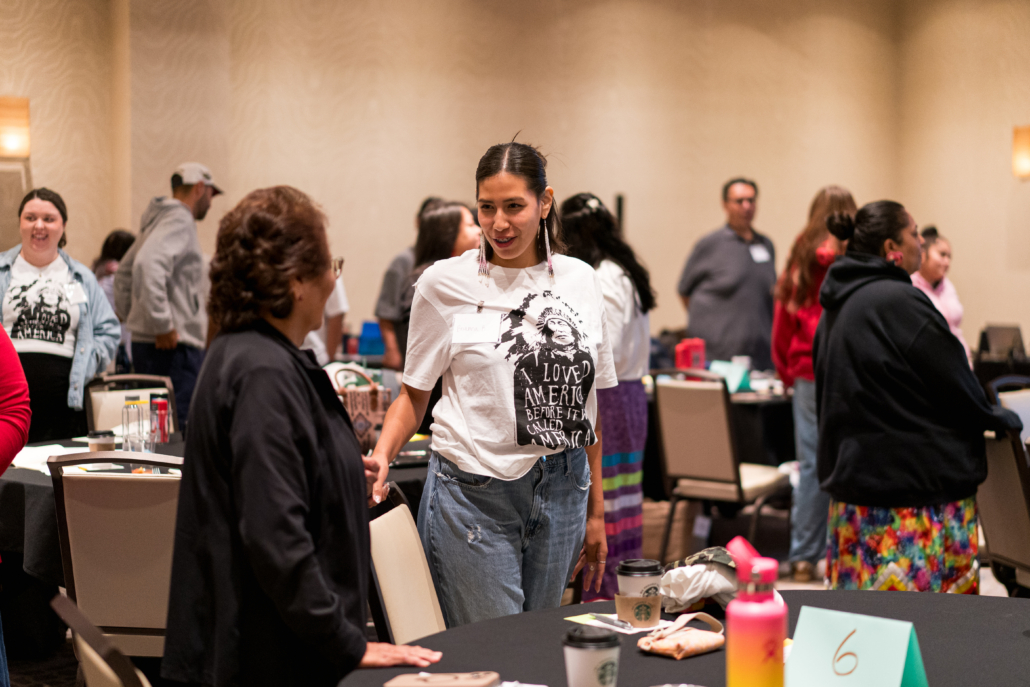
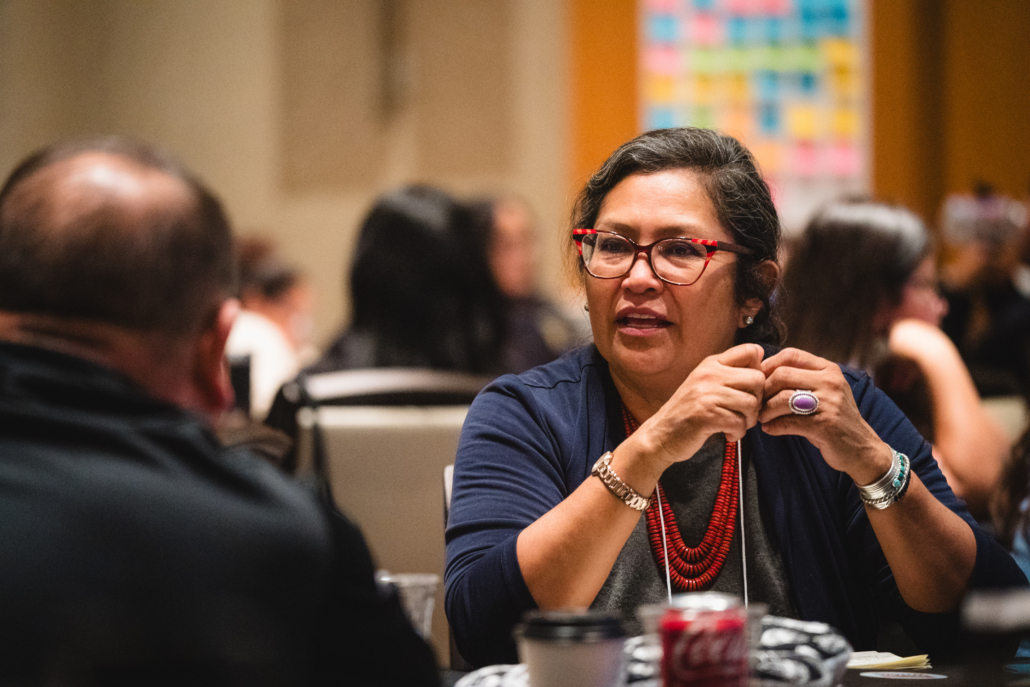
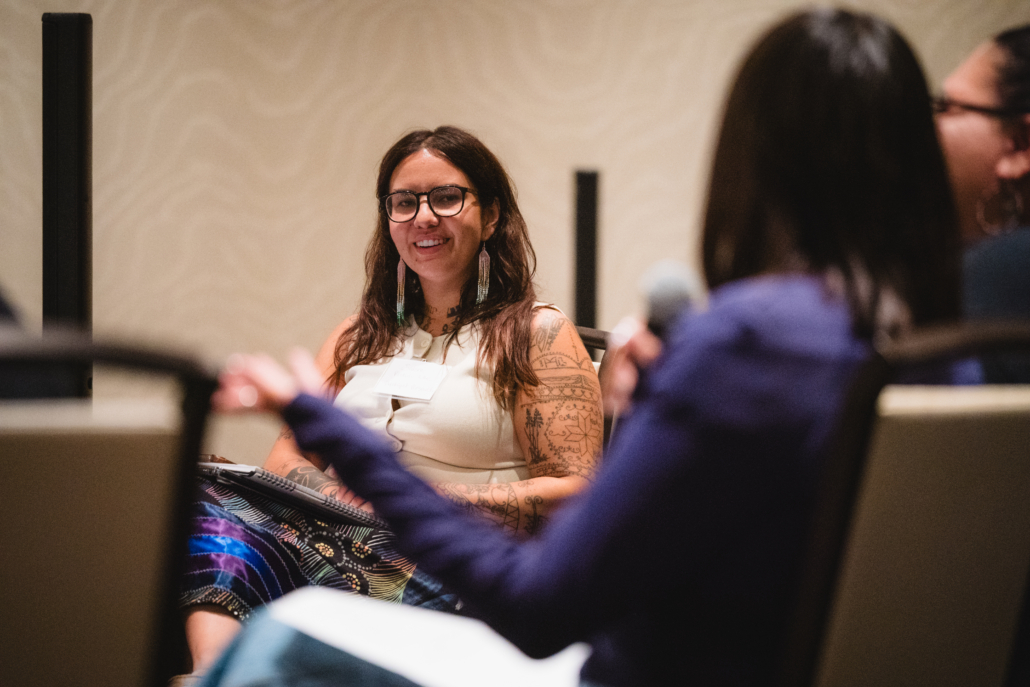
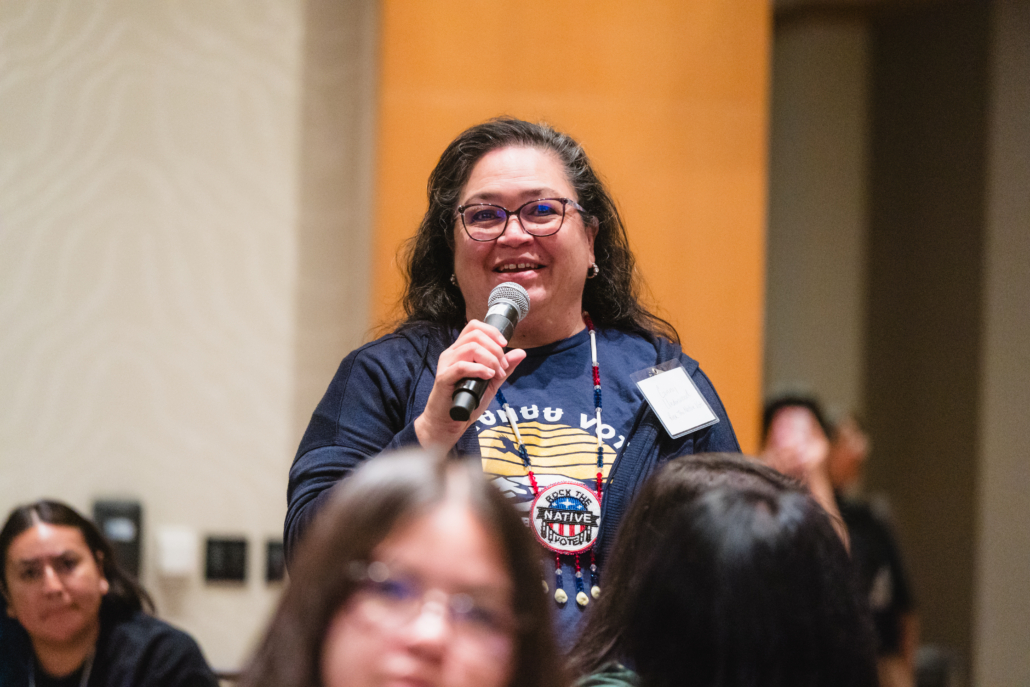
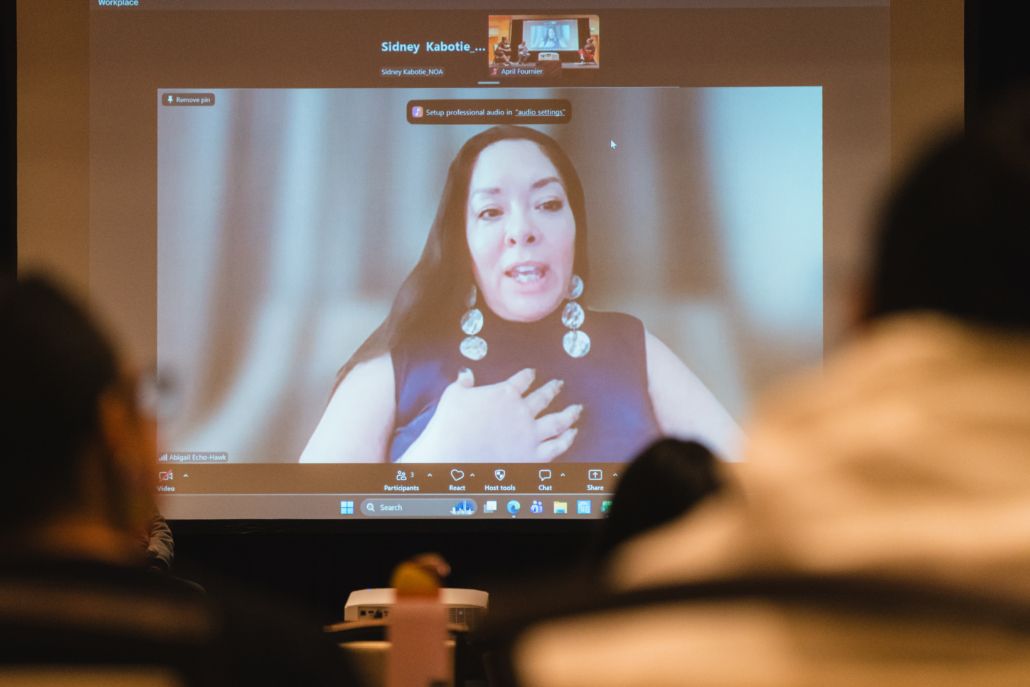
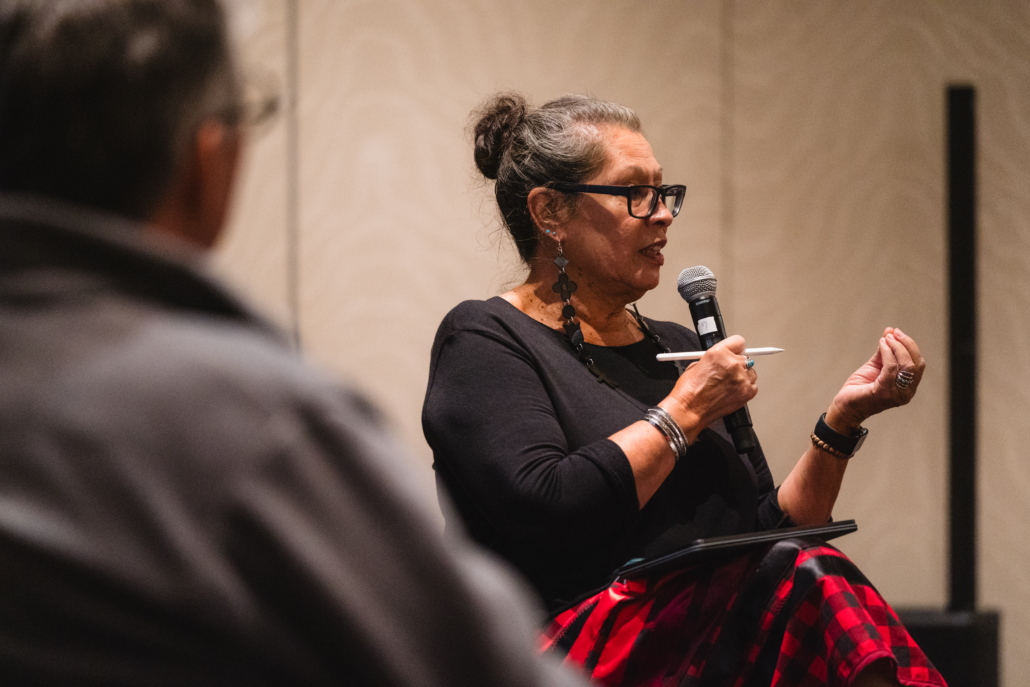
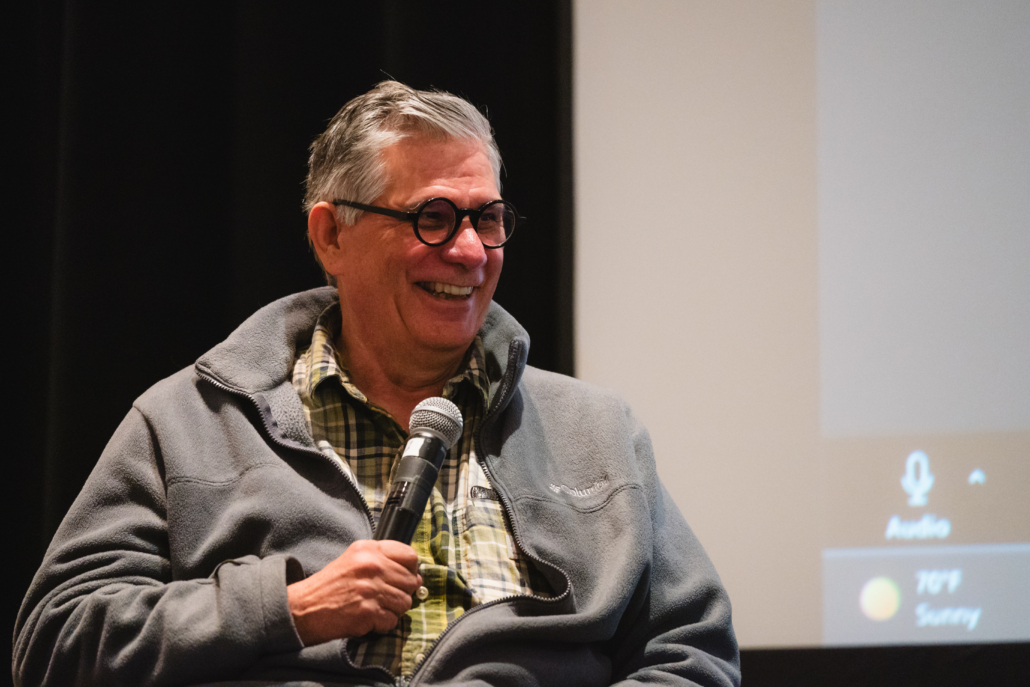
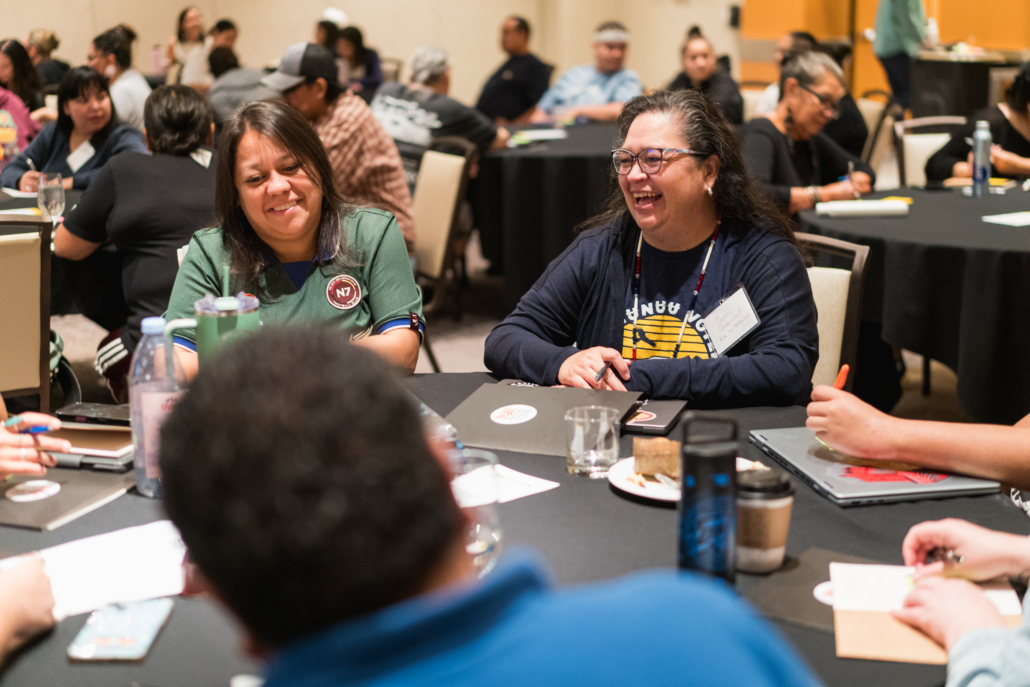
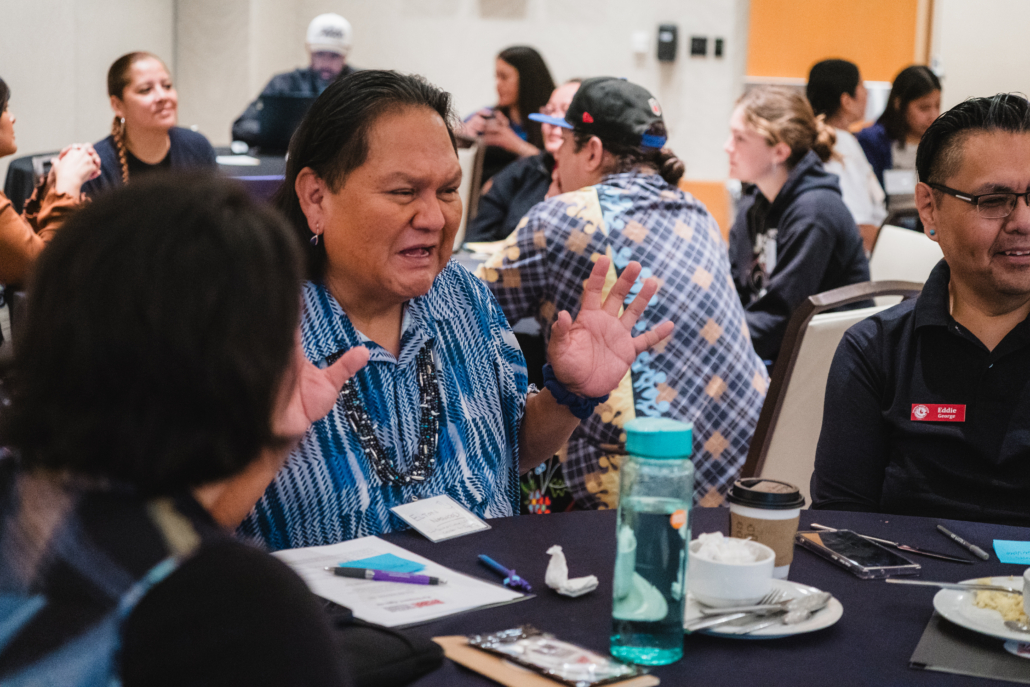
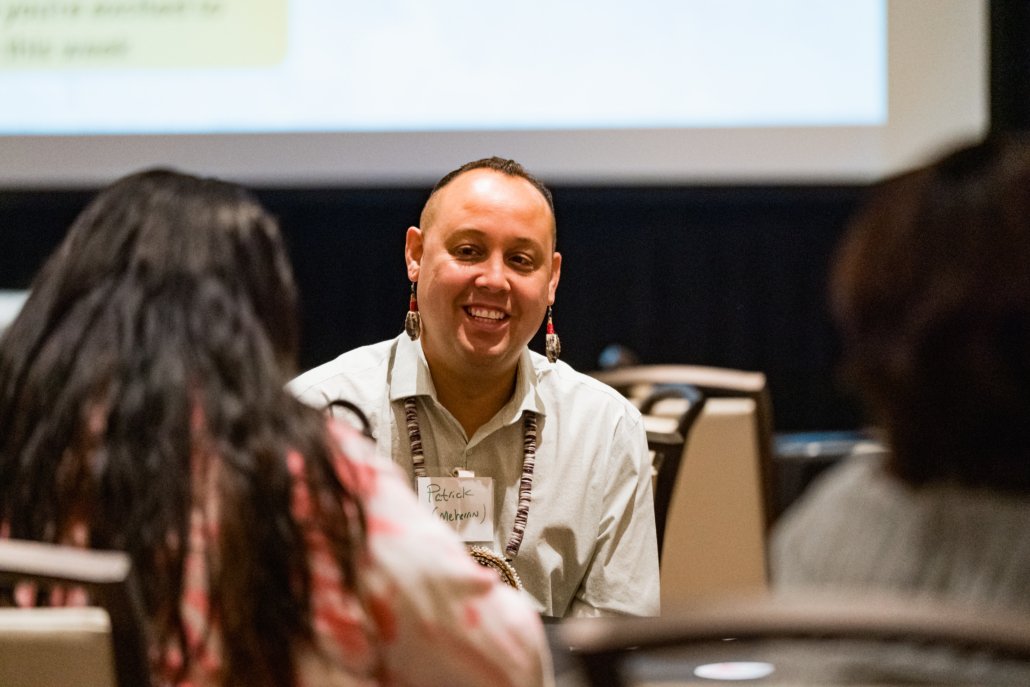
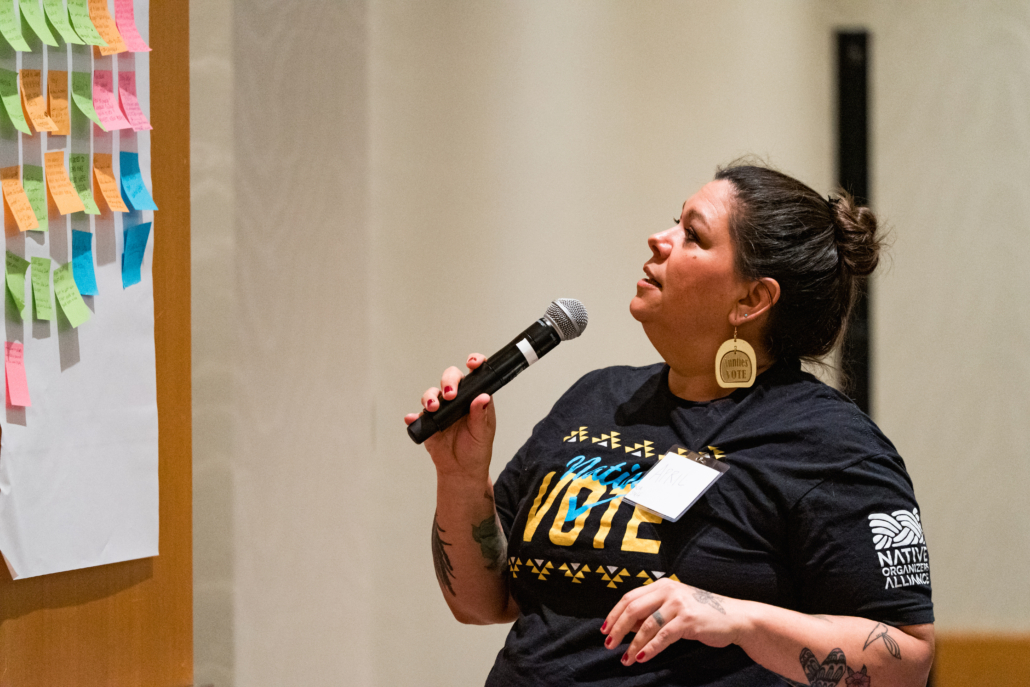
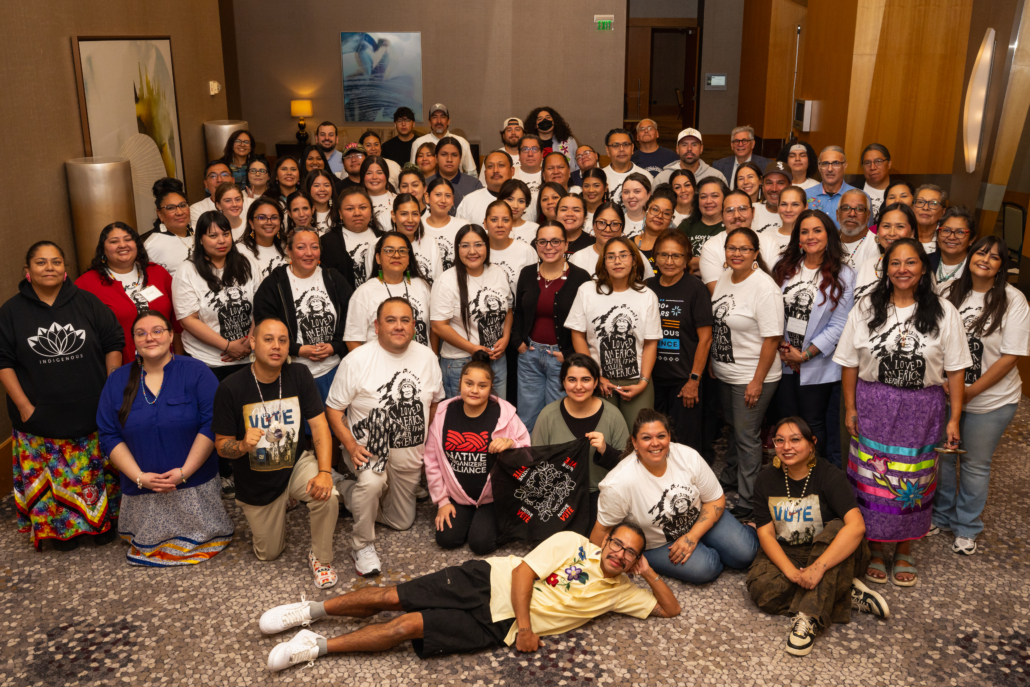
We brought 80 Native leaders and organizers from 24 different communities to Detroit for a Know Your Rights and Civic Engagement training to learn and unite for our communities.
Our Native partner organizations and leaders have been practicing traditional relational organizing from Alaska to North Dakota to North Carolina to the Navajo Reservation, holding conversations with 1,500 of their neighbors and relatives as part of our Seven Generations Community Survey project. We covered the cost of lodging, food, and travel for participants from across Turtle Island. And we’re continuing to support organizing on the ground with paid NOA Organizing Fellows who will work with Tribes and partner organizations on non-partisan civic engagement through Election Day and beyond.
At the training, we shared our collective history of organizing for voting rights. We learned skills for maintaining a peaceful atmosphere at the polls and to prepare to respond to forms of voter suppression — including de-escalating potential conflicts.
This work is powerful. Ensuring the safety of our communities when they vote, protecting air, water, land, and sacred places is not a small task. It’s a mission with meaning and purpose in honor of our ancestors, our relatives, and generations to come.
It’s also spiritually uplifting. It’s rewarding. The sense of empowerment is contagious. Everyone is a teacher and an organizer.
The photos and testimonies from some of the 80 Native leaders and organizers who came to Detroit for our recent Voting rights training speak for themselves.
“My priority ballot issue is to encourage our Two-Spirit and Native LGBTQ+ community members to be part of the voting process, to ensure they have a plan… to make informed decisions… Being able to be engaged in this way is really important.” – Elton Naswood, Diné,LGBTQ2S Center for Equity
“I think it’s really valuable work… representation does matter, to have my children see me in these types of roles and that I make my time and space valuable.” – Blaine Parce, Assiniboine and Sioux of the Fort Peck Tribe
“It was so cool to meet other Native people across the country doing the same work.” – Kaia Aiello, White Mountain Apache, Arizona Native Vote
“This election is very important for Crow Country. We really hope to get more Native Americans in office… everything sacred is on the ballot.” – David Blaine, Crow Nation
The post 80 Native leaders and organizers working to get out the vote! appeared first on Native Organizers Alliance.
The Fine Print I:
Disclaimer: The views expressed on this site are not the official position of the IWW (or even the IWW’s EUC) unless otherwise indicated and do not necessarily represent the views of anyone but the author’s, nor should it be assumed that any of these authors automatically support the IWW or endorse any of its positions.
Further: the inclusion of a link on our site (other than the link to the main IWW site) does not imply endorsement by or an alliance with the IWW. These sites have been chosen by our members due to their perceived relevance to the IWW EUC and are included here for informational purposes only. If you have any suggestions or comments on any of the links included (or not included) above, please contact us.
The Fine Print II:
Fair Use Notice: The material on this site is provided for educational and informational purposes. It may contain copyrighted material the use of which has not always been specifically authorized by the copyright owner. It is being made available in an effort to advance the understanding of scientific, environmental, economic, social justice and human rights issues etc.
It is believed that this constitutes a 'fair use' of any such copyrighted material as provided for in section 107 of the US Copyright Law. In accordance with Title 17 U.S.C. Section 107, the material on this site is distributed without profit to those who have an interest in using the included information for research and educational purposes. If you wish to use copyrighted material from this site for purposes of your own that go beyond 'fair use', you must obtain permission from the copyright owner. The information on this site does not constitute legal or technical advice.
 This site is not the official webpage of the Industrial Workers of the World.